Sandwich Bread Shelf-Life KPIs Before Reformulation | CrumbForge
Practical shelf-life targets for commercial sandwich bread lines: crumb softness, sliceability, mold-free window, pack performance, and reformulation signals.
Request pricing Practical shelf-life targets for commercial sandwich bread lines: crumb softness, sliceability, mold-free window, pack performance, and reformulation signals.
Request pricingSandwich bread shelf life is not one number. It is a working set of production, distribution, and consumer-use targets that must hold across flour variation, shift changes, proofing conditions, slicing, bagging, and route time.
For technical managers, the decision to reformulate usually starts before complaints rise. It starts when the bread still ships, but the margin is tightening: loaves feel less resilient on day two, slicers show more crumb smear, returns increase by route, or operators begin compensating with water, mixing time, or proof settings.
CrumbForge is a bakery enzyme supplier for bread factories that need dependable performance across shifts, flours, and high-speed lines. This guide outlines the practical KPIs worth tracking before adjusting an enzyme system, emulsifier package, hydration target, or process window.
A shelf-life target only helps if it connects to what the plant can see, measure, and control. For sandwich bread, the strongest indicators are usually tied to four areas:
The goal is not to make bread last forever. The goal is to protect the eating quality promised on the bag while reducing line waste, route returns, and reactive process changes.
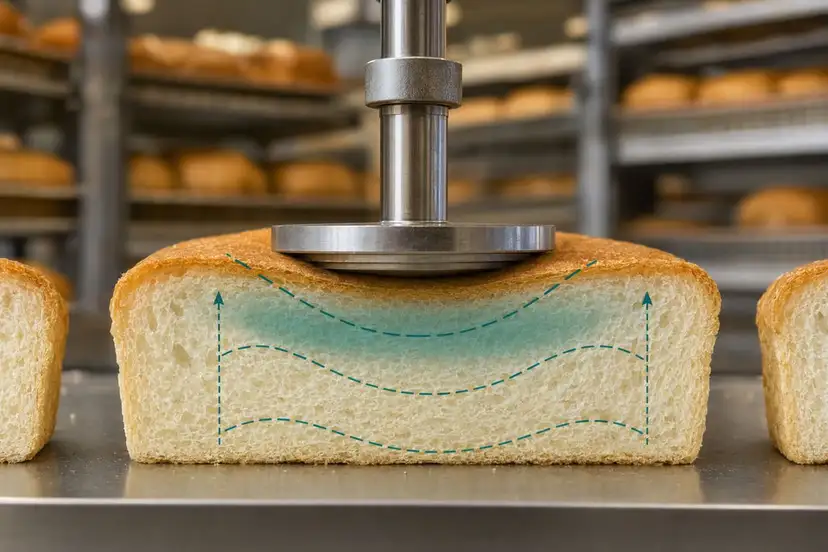
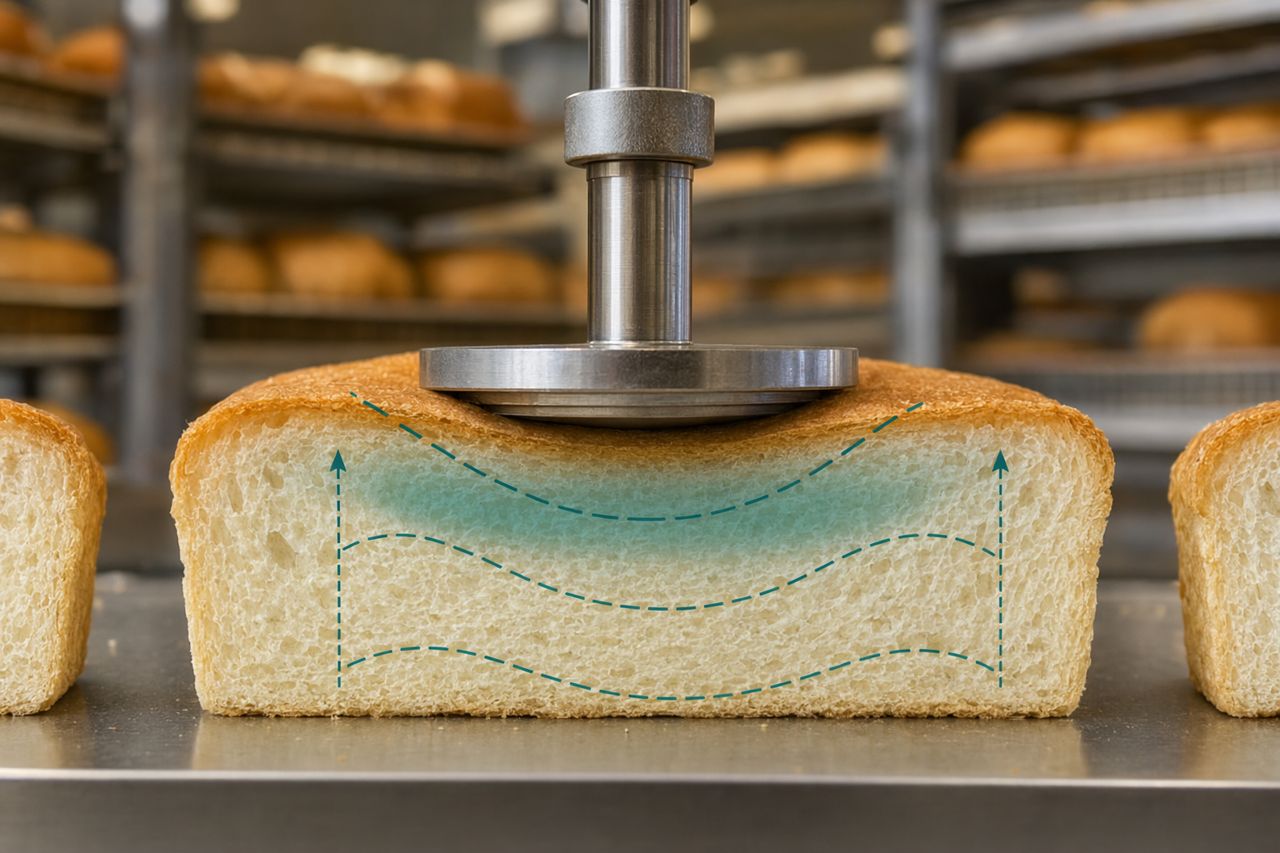
Softness is the headline shelf-life metric for sandwich bread, but technical managers usually need more than a day-one check. The question is whether the loaf keeps a soft, resilient bite through the intended retail and consumer-use period.
Track softness by time point, not just by release. Build a profile that shows how the crumb changes from post-cooling through later storage days. Watch for:
When softness drops faster than expected, enzyme selection can support anti-staling performance. The key is matching the system to flour quality, formula structure, and process stress rather than treating softness as a single-ingredient problem.
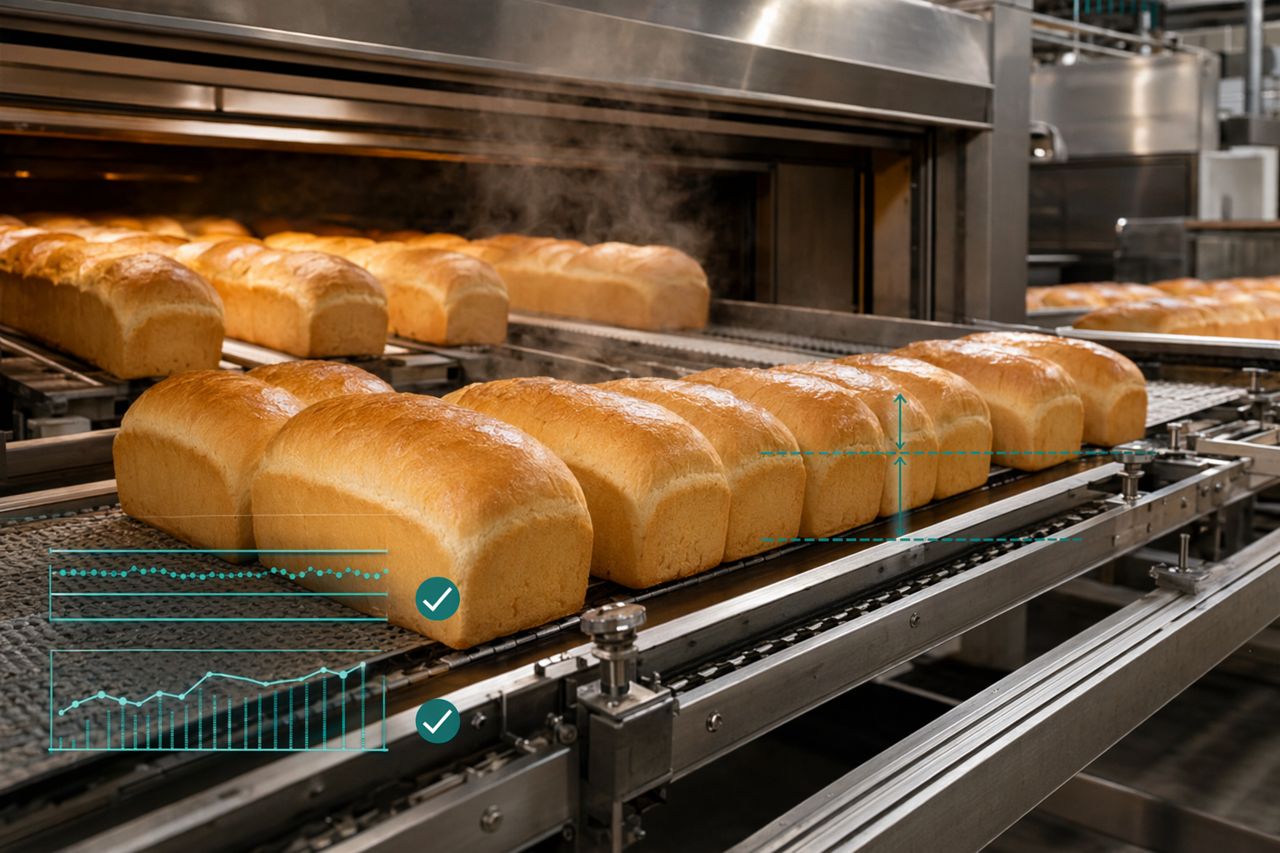
Shelf life begins before the bread is packed. If dough strength, fermentation stability, or gas retention is inconsistent, the baked loaf starts with uneven structure. That can show up later as dry bite, slicing defects, compression damage, or poor pack appearance.
Review oven spring and loaf volume by shift and flour lot. Useful indicators include:
For high-speed sandwich lines, a robust enzyme system should support volume without making dough sticky, slack, or difficult to transfer. The best outcome is controlled lift with stable handling.
A formula that performs in a lab or pilot trial can still struggle in a full bakery. Commercial lines ask dough to survive mixing, floor time, dividing, rounding, moulding, panning, proofing, and mechanical transfers.
Track tolerance in practical terms:
If shelf-life reformulation improves softness but damages handling, the plant often pays for it in waste and downtime. A bakery enzyme supplier for bread factories should help balance anti-staling performance with line stability.
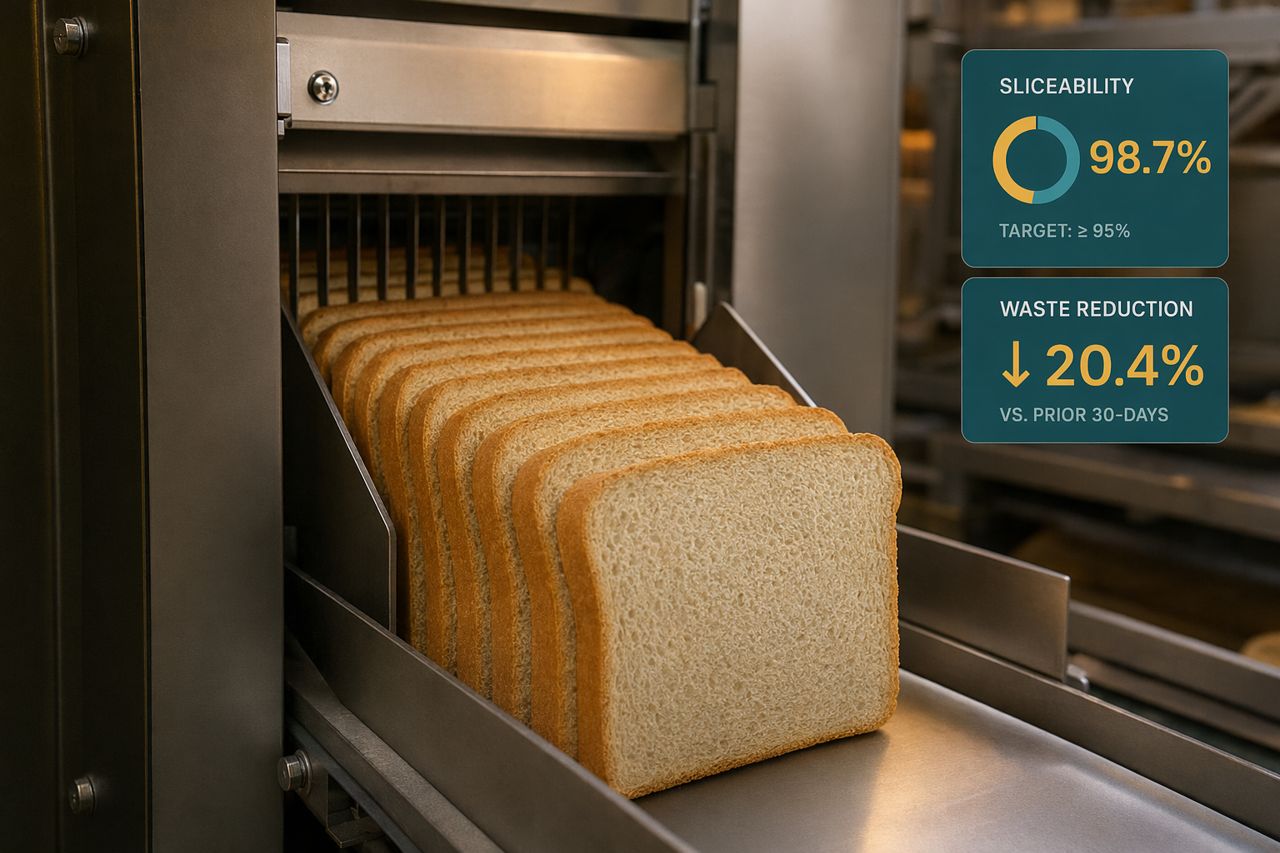
Sandwich bread must survive the slicer. A loaf can look good after cooling and still fail when blades meet a weak or gummy crumb.
Before reformulation, collect slicing observations by line, blade condition, cooling time, and loaf temperature. Watch for:
A stable crumb structure supports cleaner slicing and better bag presentation. Enzyme systems that influence softness, structure, and dough strength should be evaluated with slicer performance in mind, not only bench texture.
Once sliced and bagged, sandwich bread continues to face handling stress. Compression during bagging, casing, palletizing, and route distribution can expose weak structure.
Track the packed loaf as a system:
Good shelf life includes visual confidence. A loaf that looks tired before the consumer opens the bag has already lost value.
Operational data often shows reformulation pressure before formal quality data does. Connect plant KPIs to commercial outcomes:
This is where reformulation decisions become clearer. If quality drift links to process variability, flour changes, or aging profile, the solution may involve enzyme optimization alongside process control.
Reformulation is worth evaluating when the same problems repeat after normal process corrections. Common triggers include:
Softness falls short before the target selling window ends.
The loaf is acceptable at release but loses eating quality too quickly.
Flour variation is narrowing your process window.
Operators need frequent adjustments to keep dough machinable and loaf quality stable.
Shelf-life improvement is creating line problems.
The formula gives softer bread but causes stickiness, poor slicing, or weak structure.
Waste is rising in specific production zones.
Dividing, moulding, proofing, slicing, or packing data points to a recurring failure mode.
Customer requirements have changed.
Longer distribution, different pack sizes, private-label specifications, or reduced returns targets require a more robust formula.
To make a technical review productive, gather the information your team already uses on the floor:
CrumbForge can use this context to recommend enzyme options that support softness retention, dough tolerance, fermentation stability, oven spring, and slicing performance without losing sight of commercial throughput.
The embedded explainer on this page shows how sandwich bread shelf-life targets connect to dough handling, oven spring, crumb structure, slicing, and packed-loaf recovery. It is designed for technical and production teams reviewing reformulation triggers before a plant trial.
The strongest sandwich bread programs are not built on a single shelf-life claim. They are built on stable production outcomes: dough that runs cleanly, loaves that rise consistently, crumb that slices well, and packs that still look and eat right through the selling window.
If your current formula is losing margin across shifts, flour lots, or high-speed slicing, CrumbForge can help review the KPIs and identify an enzyme approach matched to your line.
Share your product format, process constraints, and shelf-life target through the on-site form. We will respond with a practical quote pathway for your bakery line.
Tell us your application and volume — we reply with pricing and lead time.